Open Ended Schemes(Debt Scheme - Credit Risk Fund
Get a RuPay Credit Card Backed by SBI Credit Risk Fund - Direct Plan - Income Distribution cum Capital Withdrawal Option (IDCW)
Keep your investments compounding. Get a RuPay credit card with a limit up to 80% of your portfolio value (capped at ₹5,00,000), ready to link to UPI.
Limit up to
80%
3-Yr CAGR (est.)
8.54%
Scheme code
119793
Estimate your card limit
Card limit: up to 80% of your holding value, capped at ₹5,00,000.
Your RuPay Card Limit
₹4,00,000
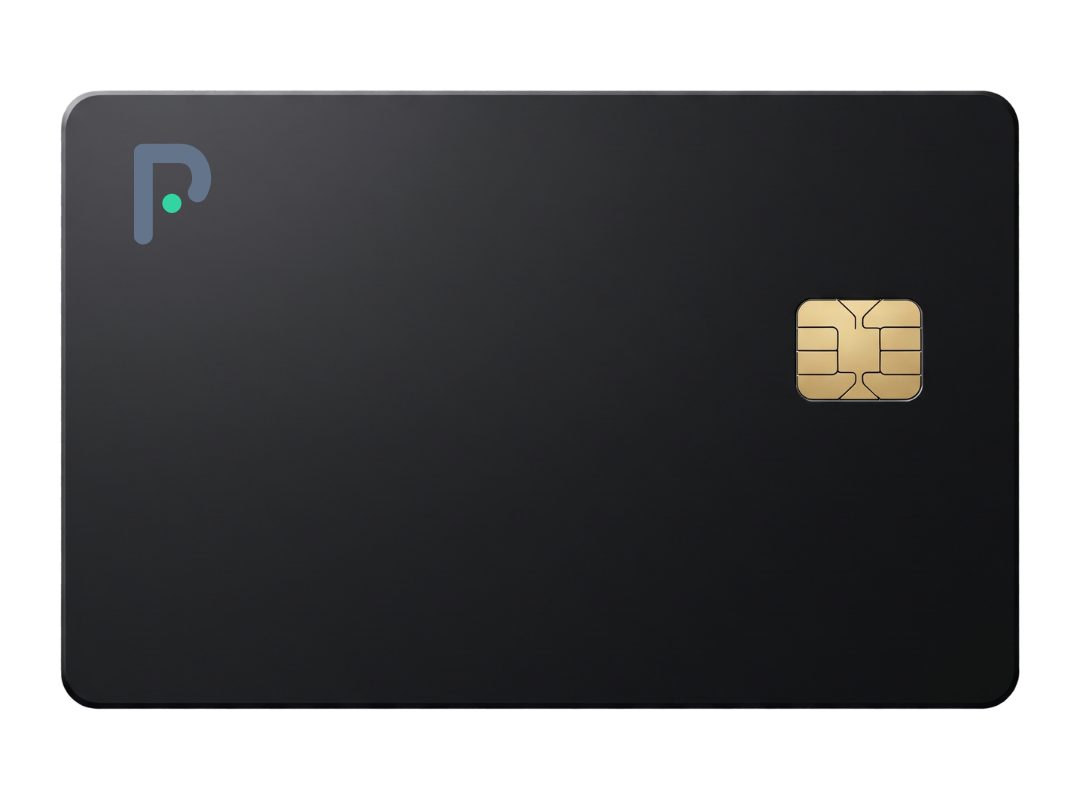
Spend via UPI, Don't Sell Your Units
Redeeming your investments for everyday liquidity breaks your compounding. This fund has historically delivered an estimated 8.54% (3-Year CAGR).*
By keeping your money invested and spending through the PiFi RuPay Card, your units stay in your name and your core capital continues to track the market, while you scan and pay anywhere UPI is accepted.
*Note: This 3-Year CAGR is an estimated historical average updated periodically for educational purposes. Mutual fund investments are subject to market risks, and actual real-time returns will fluctuate based on daily market performance.
Frequently Asked Questions about SBI Credit Risk Fund - Direct Plan - Income Distribution cum Capital Withdrawal Option (IDCW)
How much credit limit can I get against SBI Credit Risk Fund - Direct Plan - Income Distribution cum Capital Withdrawal Option (IDCW)?
Because SBI Credit Risk Fund - Direct Plan - Income Distribution cum Capital Withdrawal Option (IDCW) is classified as a Open Ended Schemes(Debt Scheme - Credit Risk Fund, your card limit can go up to 80% of your pledged value. For example, if your pledged units are valued at ₹1,00,000, your RuPay card limit is calculated proportionately from that share.
How exactly is my credit limit calculated?
Your card limit is up to 80% of your eligible SBI Credit Risk Fund - Direct Plan - Income Distribution cum Capital Withdrawal Option (IDCW) holdings, up to a maximum platform cap of ₹5,00,000. Here is how it works: if you pledge ₹2,00,000 worth of units, your credit limit will be ₹1,60,000. If you pledge more than ₹6,25,000 worth of units, your limit is capped at our maximum of ₹5,00,000. This cap keeps credit utilisation responsible while still leaving you room to spend.
Will I continue to earn returns on SBI Credit Risk Fund - Direct Plan - Income Distribution cum Capital Withdrawal Option (IDCW) after pledging?
Yes. When you pledge SBI Credit Risk Fund - Direct Plan - Income Distribution cum Capital Withdrawal Option (IDCW) with PiFi for a RuPay credit card, your units remain actively invested in the market. You continue to benefit from its historical growth—such as its 8.54% 3-year CAGR—and any future dividends or compounding.
What happens to my SBI Credit Risk Fund - Direct Plan - Income Distribution cum Capital Withdrawal Option (IDCW) units when I pledge them?
A digital lien is marked on your SBI Credit Risk Fund - Direct Plan - Income Distribution cum Capital Withdrawal Option (IDCW) units via the RTA (CAMS or KFintech). This means you retain 100% ownership of the mutual funds, but you cannot redeem, switch, or sell the pledged units until your outstanding credit card balance is cleared.
Should I redeem SBI Credit Risk Fund - Direct Plan - Income Distribution cum Capital Withdrawal Option (IDCW) or pledge it?
Pledging and selling solve different problems. Selling ends the compounding on those units, and the money only returns if you reinvest it. Pledging marks the units instead: they stay invested in your name, and their value sets a limit on your RuPay card that you spend on UPI and clear from income. If the money you need is gone for good rather than simply needed early, selling may be the right answer.
What happens if the value of SBI Credit Risk Fund - Direct Plan - Income Distribution cum Capital Withdrawal Option (IDCW) drops?
Your card limit is tied to the value of your pledged units, so it moves with their value each day. If SBI Credit Risk Fund - Direct Plan - Income Distribution cum Capital Withdrawal Option (IDCW) falls sharply, your balance becomes large relative to what is backing it. You would then be asked either to pledge more units or to pay down your card balance, with a grace window to act. Only if that goes unaddressed would just enough units be sold to bring the balance back into range — never the whole holding.
Your mutual funds just got a credit card
No income proof. Works on UPI. Your units stay invested.